How to Master Gas Tungsten Arc Welding Techniques for Beginners
Mastering gas tungsten arc welding (GTAW) techniques can be an essential skill for beginners seeking to enter the world of metal fabrication and welding. This method, often revered for its precision and ability to produce high-quality welds, has become a cornerstone in various industries ranging from automotive to aerospace. Understanding the fundamentals of GTAW not only equips novices with the necessary technical skills but also instills confidence to tackle more complex welding tasks in the future.
In this guide, we will explore the key components of gas tungsten arc welding. From the anatomy of the welding torch to the importance of suitable filler metals, we will break down each element to provide a comprehensive understanding. Additionally, we will discuss fundamental techniques, safety measures, and troubleshooting tips vital for successful welds. By the end of this journey, beginners will be well-prepared to experiment with their skills and grow as proficient welders, ready to take on challenge after challenge in their welding careers.
Understanding the Basics of Gas Tungsten Arc Welding (GTAW)
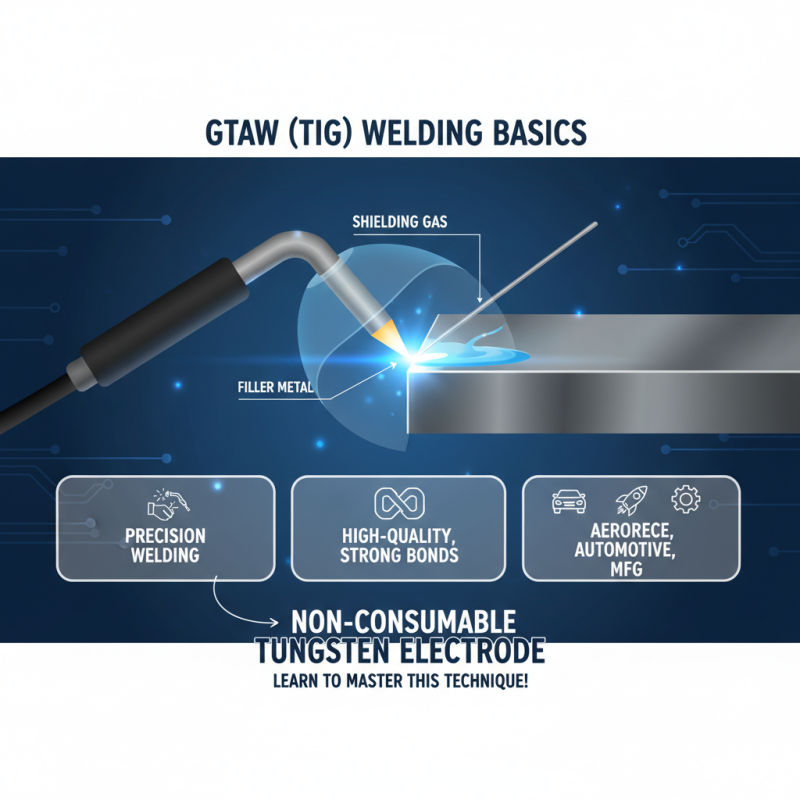
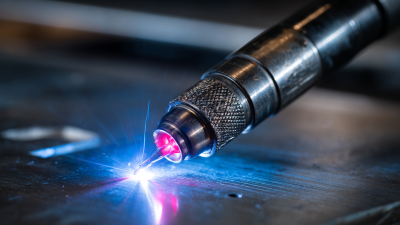
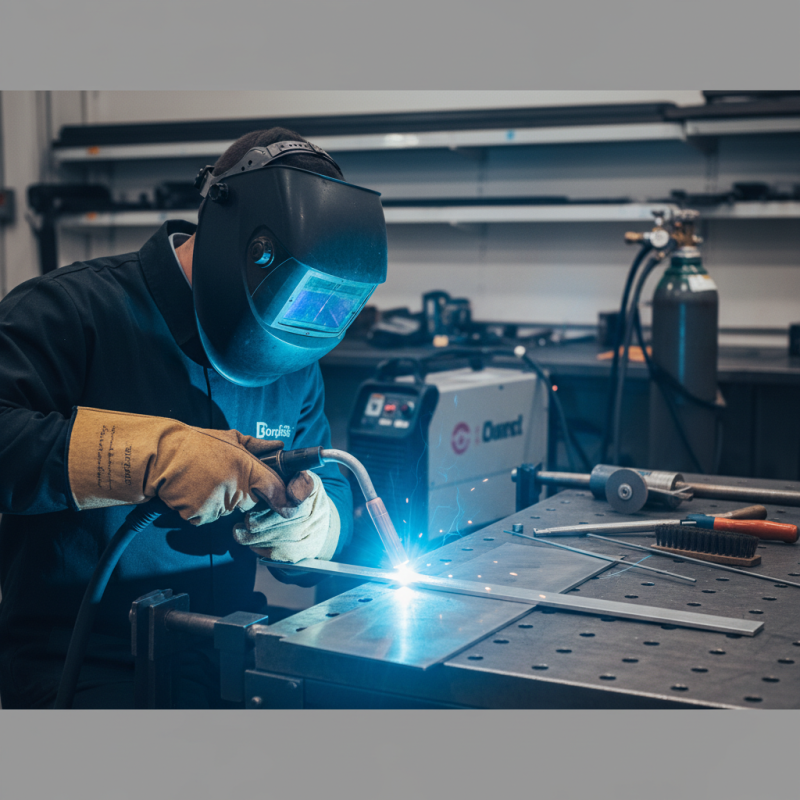
Gas Tungsten Arc Welding (GTAW), commonly referred to as TIG welding, is a precision welding process that utilizes a non-consumable tungsten electrode to produce the weld. Understanding the basics of GTAW is crucial for beginners who aim to master this technique. The process involves creating an electric arc between the tungsten electrode and the workpiece, which melts the base metal and creates a strong bond. One of the key characteristics of GTAW is its ability to produce high-quality welds with excellent aesthetics, making it suitable for critical applications in industries such as aerospace, automotive, and manufacturing.
To get started with GTAW, it's essential to familiarize oneself with the equipment involved, including the power source, welding torch, and filler materials. Proper setup is vital for achieving optimal results. Beginners should pay attention to the settings for current and gas flow, as these factors significantly influence the welding outcome. Additionally, mastering the technique of manipulating the torch and filler rod simultaneously is a critical skill that enhances control and precision. With practice, welders can achieve consistent and clean welds that showcase their proficiency in the GTAW process. Understanding these fundamentals lays the foundation for further skill development in specialized welding applications.
Essential Equipment and Safety Precautions for Beginners
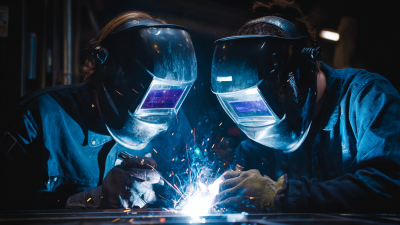
When starting with gas tungsten arc welding (GTAW), it's vital for beginners to equip themselves with the right tools and understand essential safety precautions. The first piece of equipment every welder should have is a reliable welding machine suitable for GTAW. This includes a proper tungsten electrode, shielding gas, and compatible filler materials. Additionally, protective gear such as welding gloves, a helmet with the appropriate filter shade, and flame-resistant clothing are crucial to safeguard against burns and UV exposure.
Tips: Always ensure your working area is well-ventilated to avoid inhaling toxic fumes. Furthermore, regularly check your equipment for wear and tear, particularly the torch and hoses, to prevent dangerous leaks. Proper organization of your workspace can also streamline your workflow and enhance safety.
Another important safety practice is to remain aware of your surroundings. Make sure to keep flammable materials away from your welding area and be mindful of other individuals in the vicinity to prevent accidents. Using a fire extinguisher nearby as a precaution can also provide peace of mind. By adhering to these safety guidelines and being cautious with equipment, beginners can master GTAW techniques more effectively and securely.
Step-by-Step Guide to Setting Up Your GTAW Station
Setting up your Gas Tungsten Arc Welding (GTAW) station is crucial for developing your welding skills effectively. Start by selecting a designated workspace that is well-ventilated and free from flammable materials. Ensure the area is organized; a clutter-free workspace helps in maintaining focus and safety.
Position your welding table at a comfortable height to avoid fatigue while working. It's also essential to have appropriate power sources accessible, as the GTAW process requires a constant current power source for optimal performance.
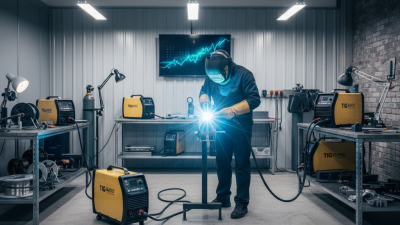
Next, gather all necessary equipment to create a fully functional GTAW station. This includes a quality TIG welding machine, a tungsten electrode, and a suitable filler material. Additionally, ensure you have proper personal protective equipment (PPE) such as a welding helmet, gloves, and flame-resistant clothing to protect yourself from sparks and UV radiation.
Setting up gas cylinders for shielding gas, like argon, is vital; they should be securely fastened and stored upright to prevent accidents.
Lastly, test your equipment to confirm that everything is functioning correctly before starting any welding tasks. A well-equipped and organized station is the first step towards mastering GTAW techniques.
Techniques for Effective Gas Tungsten Arc Welding
Gas Tungsten Arc Welding (GTAW) is a versatile and precise welding technique that requires a solid understanding of several key practices to achieve optimal results. One of the most important techniques for effective GTAW is maintaining the correct torch angle. Typically, a 15 to 20-degree angle toward the workpiece enhances visibility and control while ensuring a stable arc length. This angle allows for better penetration and weld bead consistency. Additionally, it's crucial to adjust the distance between the tungsten electrode and the workpiece. Keeping the arc length short, ideally around the diameter of the tungsten electrode, leads to a more concentrated arc and improved heat transfer, resulting in cleaner and stronger welds.
Another vital technique is the proper handling of filler material. For beginners, practicing with filler rods of the same material as the base metals is advisable. This approach helps in developing hand coordination while also allowing for a better understanding of the melting characteristics. When adding filler material, it's important to do so at the right moment—typically when the molten pool is sufficiently formed but before it cools down. This timing ensures that the filler rod bonds effectively, preventing issues such as porosity or insufficient fusion. Additionally, maintaining a steady motion while introducing the filler material contributes to an even and uniform weld bead. By mastering these techniques, beginners can improve their proficiency in gas tungsten arc welding, enhancing both their confidence and output quality.
Common Mistakes to Avoid in GTAW and How to Overcome Them
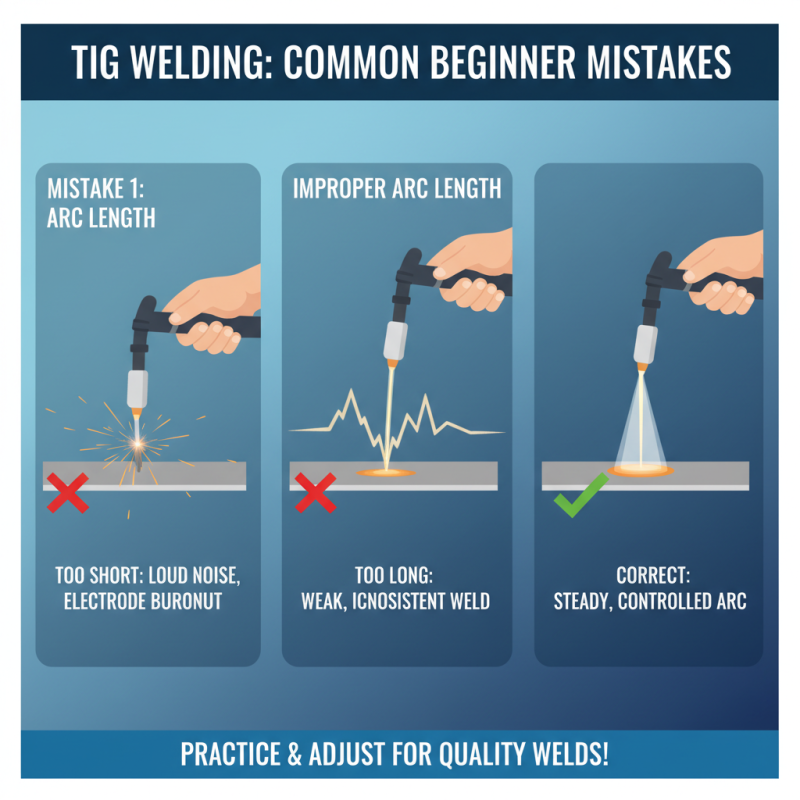
Gas Tungsten Arc Welding (GTAW), also known as TIG welding, is a refined process that offers high-quality welds when executed correctly. However, beginners often encounter common pitfalls that can hinder their progress and results. One prevalent mistake is improper arc length. Maintaining the correct distance between the tungsten electrode and the workpiece is crucial; too short can lead to a loud, harsh sound and potential electrode burnout, while too long can result in a weak, inconsistent weld. Beginners should practice adjusting their arc length to find the optimal distance for a steady, controlled arc.
Another frequent issue is inadequate cleaning of the base metal before welding. Contaminants like oil, rust, or paint can significantly compromise the weld quality, leading to defects and weak joints. To overcome this, beginners must ensure surfaces are thoroughly cleaned using appropriate cleaning methods such as grinding or chemical cleaners. Additionally, ensuring a proper fit-up of the pieces being welded is vital; gaps or misalignments can result in poor penetration and strength. By focusing on these foundational mistakes and practicing consistent technique adjustments, beginners can enhance their mastery of GTAW and produce superior welds.